
colombia cafe granja la esperanza sweet valley natural
A Colombian Family producing innovative, award winning coffee
Country - Colombia
Producer - Cafe Granja La Esperanza
Process - Natural
Harvest - 2025
Varietal - Castillo, Caturra, Colombia
Farm - Potosi
Size - 52 Hectares
Location - Calcedonia, Valley Del Cauca
Altitude - 1499 / 1800 masl
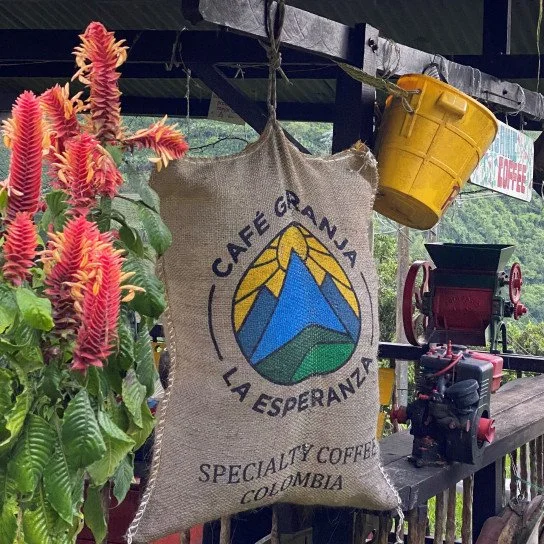
AS SOON AS THESE TINY 35KG SACK ARRIVED, the greens filled the roastery, like wine gums, fruity and boozy. You know its going to be a stunner. This coffee was chosen by Fyn.
history
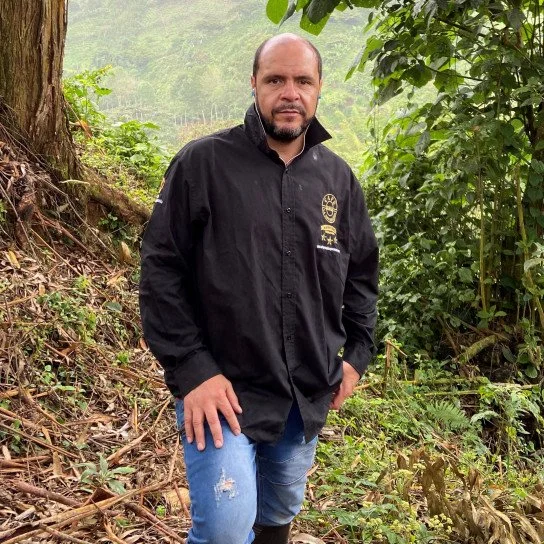
Since settling in the Valle del Cauca in the 1930s, the Herrera family has gained a global reputation in the coffee industry. It was in 1945 that Blanca Ligia and Juan Antonio acquired their first farm, Potosi, raising 14 children, marking the beginning of the Café Granja La Esperanza story. From the early days, the Herrera family looked toward varietals for quality and market differentiation, introducing Yellow Bourbon, Red Bourbon and Caturra to Potosi. Over time, two of Blanca and Juan ' s children, Rigoberto and Luis, showed a keen interest in coffee production and processing. In the late 1990s, the brothers adopted an organic approach to coffee farming, growing the estate by acquiring a second farm in the Trujillo region named La Esperanza.
today
Café Granja La Esperanza is a producer and exporter with five farms: Cerro Azul and La Esperanza in Trujillo, Las Margaritas and Potosi in Caicedonia. The Café Granja La Esperanza brand is still renowned for its focus on genetic investigation and post-harvest processing innovation. It has built a reputation for creating competition-level quality by continually developing distinctive coffee offerings by sourcing varieties not commonly grown in Colombia and tweaking processes to get the best from each
genetics
Through its work in genetics, Café Granja La Esperanza has created unique varietals, such as Mandela and CGLE17. A recent variety project saw the adaptation of the Mokka tree introduced from Hawaii in 2012. The tree grew successfully after experimental grafting and cross-breeding. Café Granja La Esperanza also drives forward innovation using processing, with three stand-out processes that have become commonplace on their menu: Natural XO, Tres Dragones, and Sweet Valley.
Social and environmental impacts
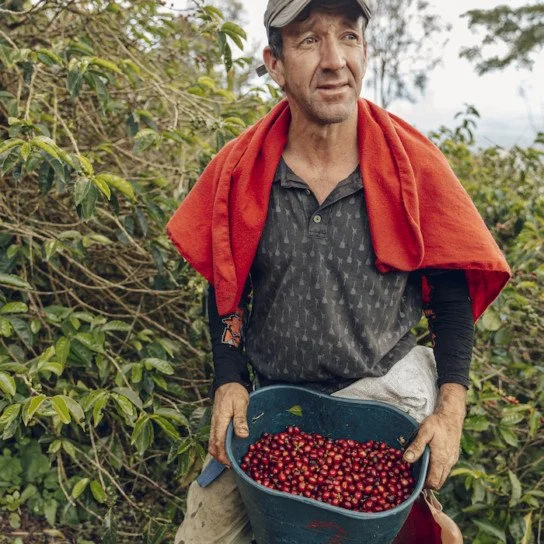
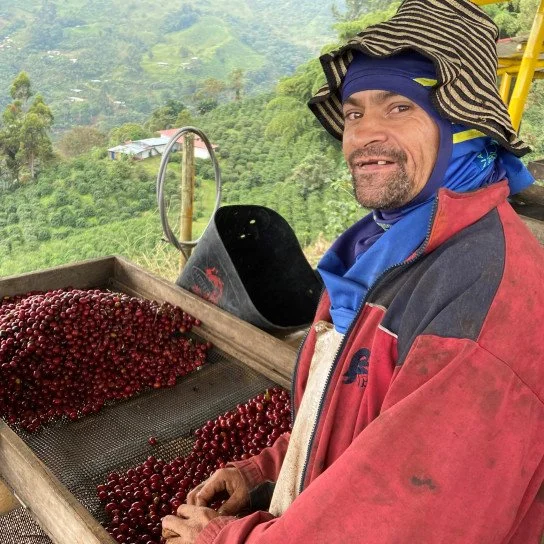
Alongside a passion for coffee quality, Café Granja La Esperanza also cares for people and the planet. Café Granja La Esperanza recently celebrated paying workers 24.6% more than the average salary in Colombia and, for over 15 years, has developed social impact programs such as the Las Margaritas school for the children of coffee pickers and male and female worker camps at Las Margaritas, Cerro Azul and La Esperanza, where workers can sleep during harvest. Over 20% of Café Granja La Esperanza ' s total land area is maintained as a nature reserve rich in flora and fauna, home to over 26 bird species and 30 different types of trees.
potosi
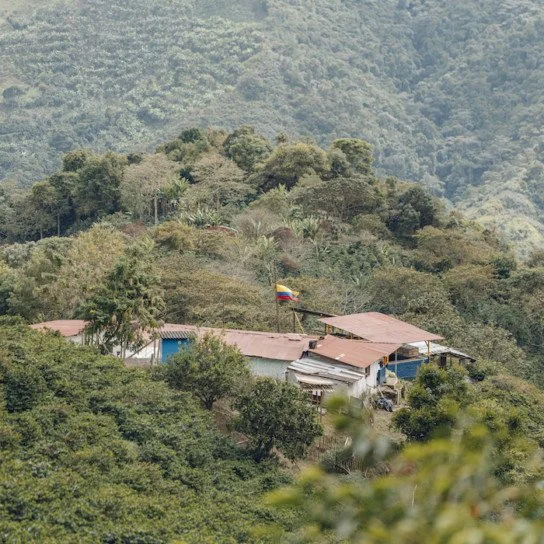
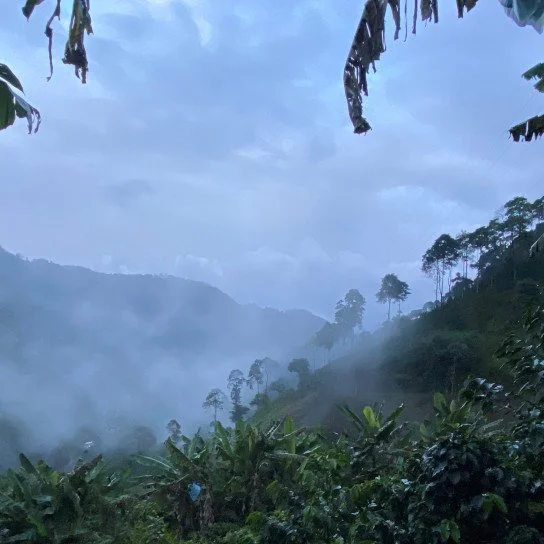
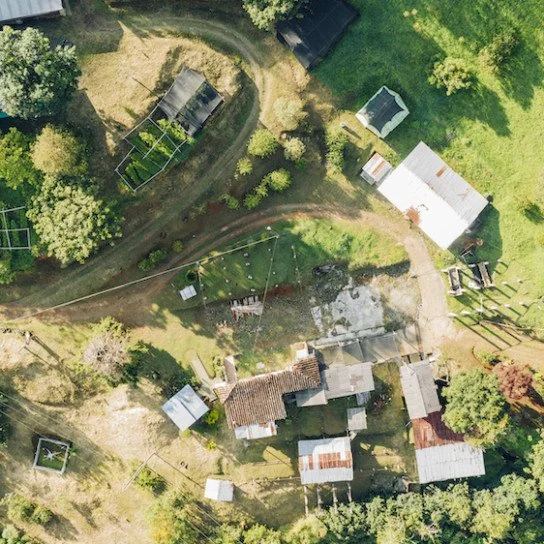
The farm that started the Café Granja la Esperanza story, Potosi lies across the sweet, misty valley from Las Margaritas and handles the dry milling for both.
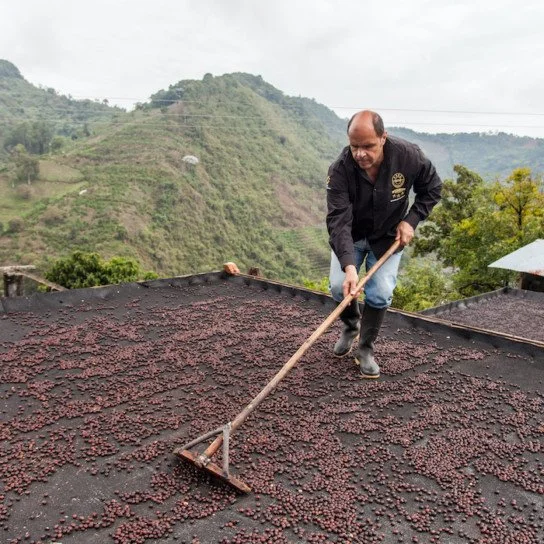
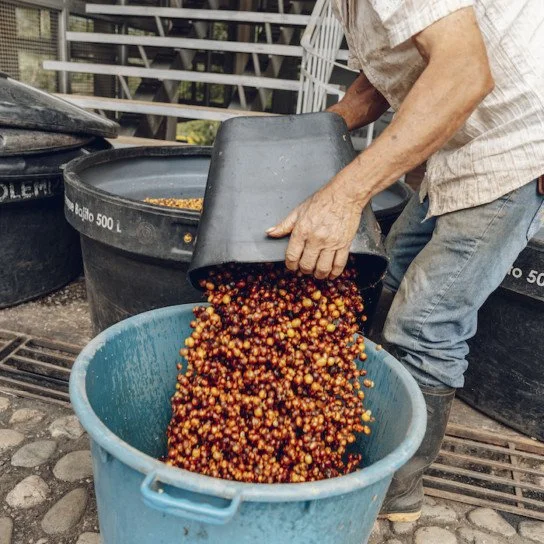
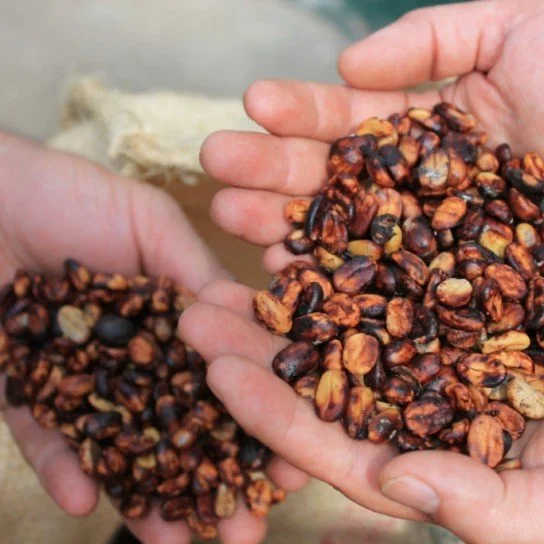
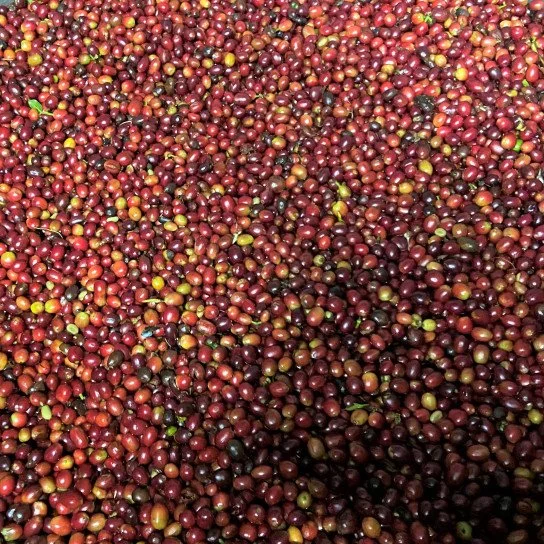
It is here that the tale of the three dragons, or Tres Dragones, stems from. Colombia never used to produce naturals, and Café Granja la Esperanza claims to be among the first. Lacking patio space on the farm, the farm switched to mechanical driers. A spark from one of these three driers carried across the yard on the breeze and set fire to the house in 2018. Luckily, nobody was hurt, but the legend of the three furnaces continues in one of the primary coffees produced here.
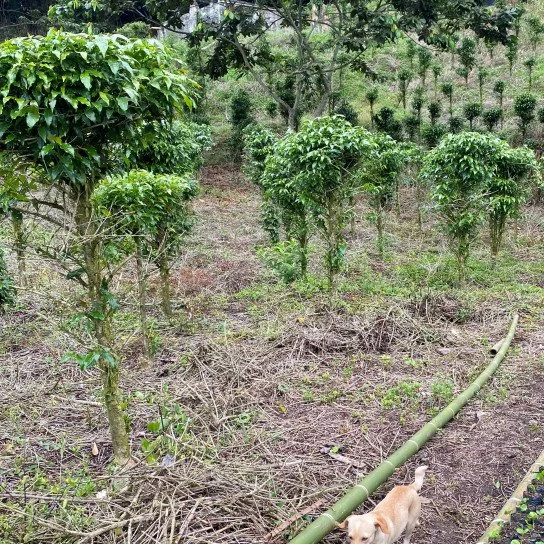
On Potosi, Blanca Ligia Correa and Juan Antonio Herrera introduced Yellow Bourbon, Red Bourbon and Caturra to the existing Typica, prompting a focus on coffee variety exploration. Today, the 74-hectare Potosi is the biggest farm in Caicedonia, with 22 hectares preserved as forest land and 52 hectares dedicated to coffee production. It is home to many interesting varieties such as Bourbon, Mandela, Colombia, Caturra, Castilo and CGLE17, as well as Tabi, Yirgacheffe and the Kenyan varietal SL34.
Experimentation is also carried out on the farm, currently with some mother/father Geisha breeding trials and varieties being field tested before largerscale production is carried out.