
Rwanda Mbare Peaberry Washed
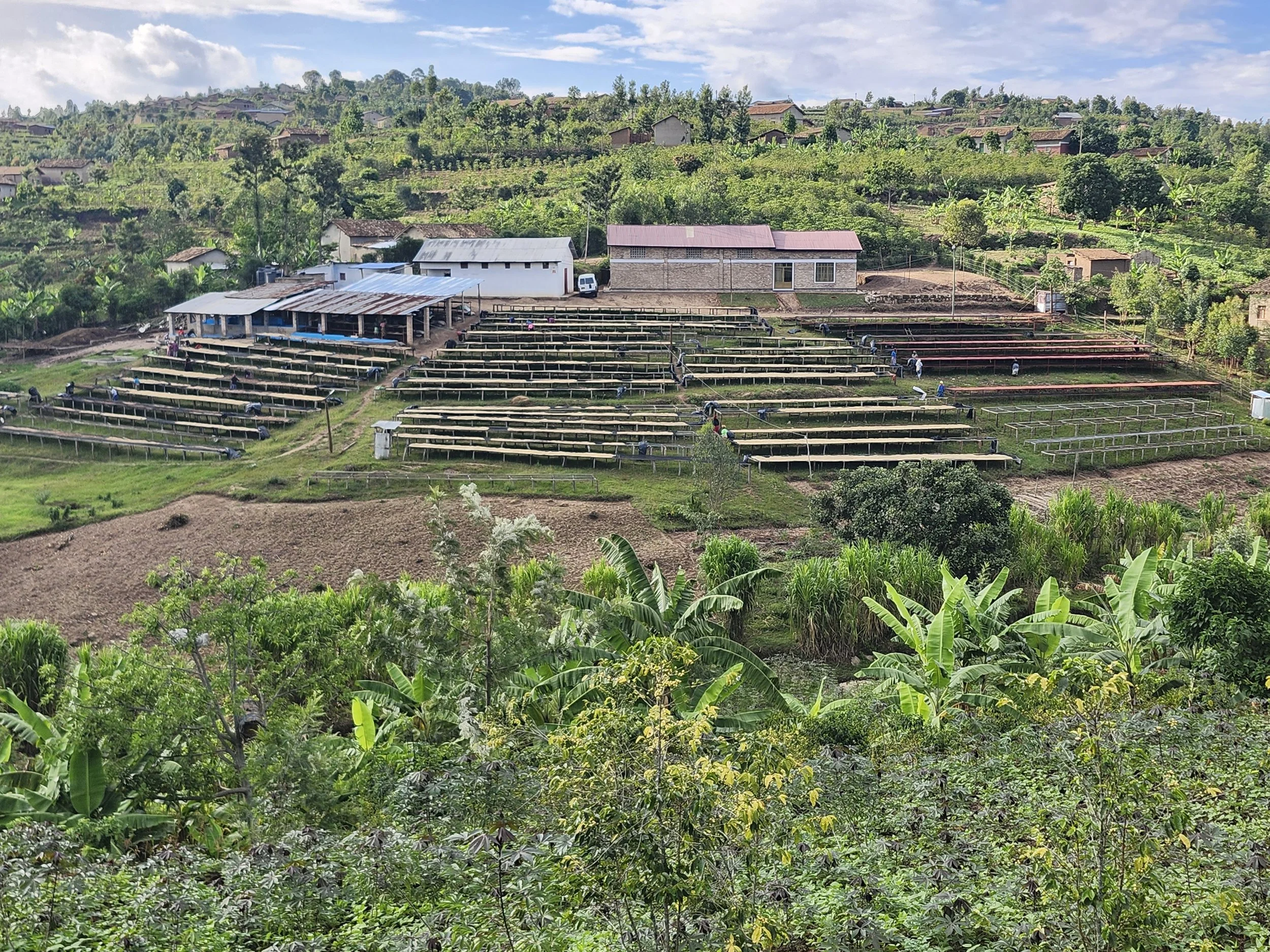
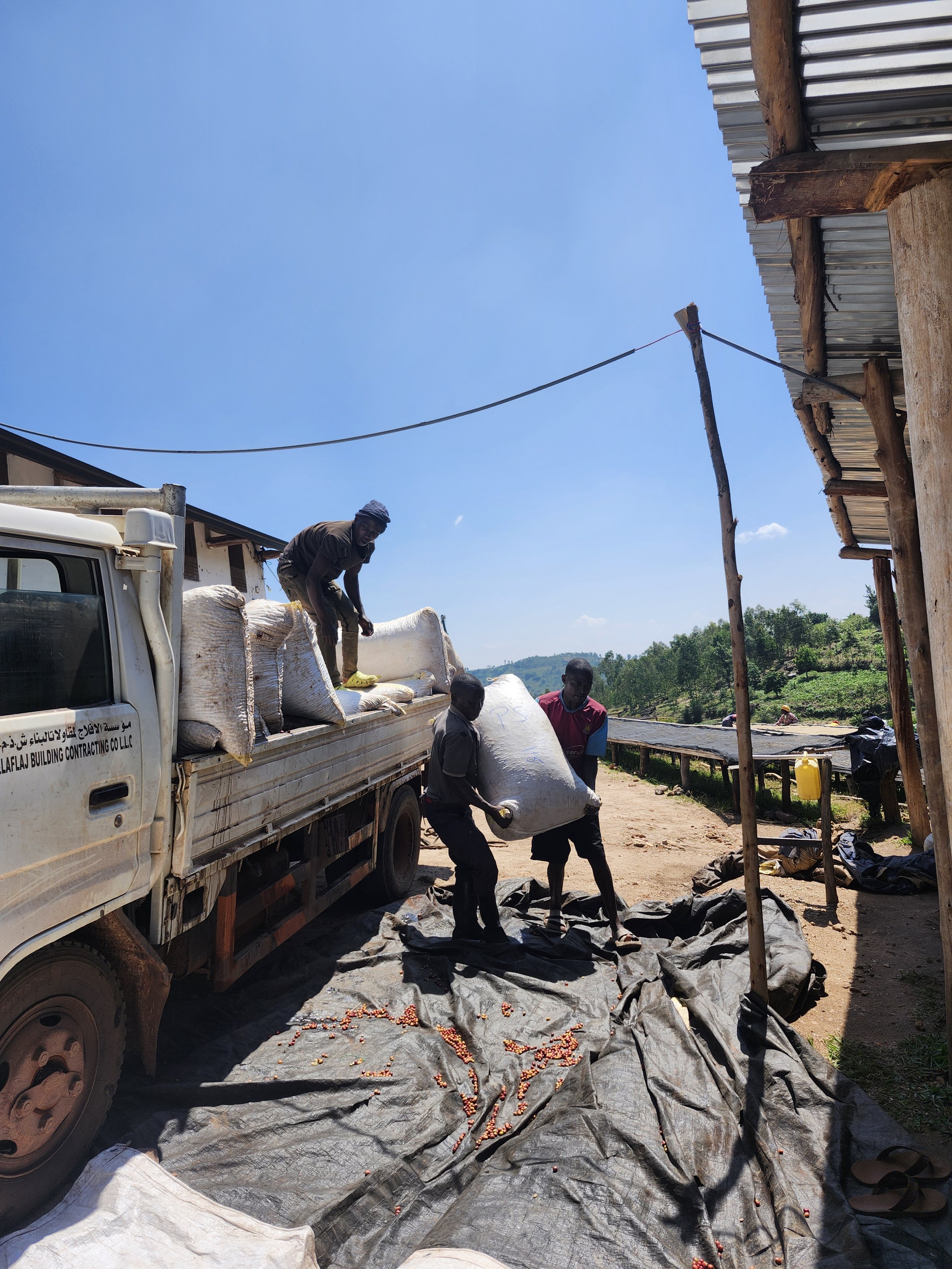
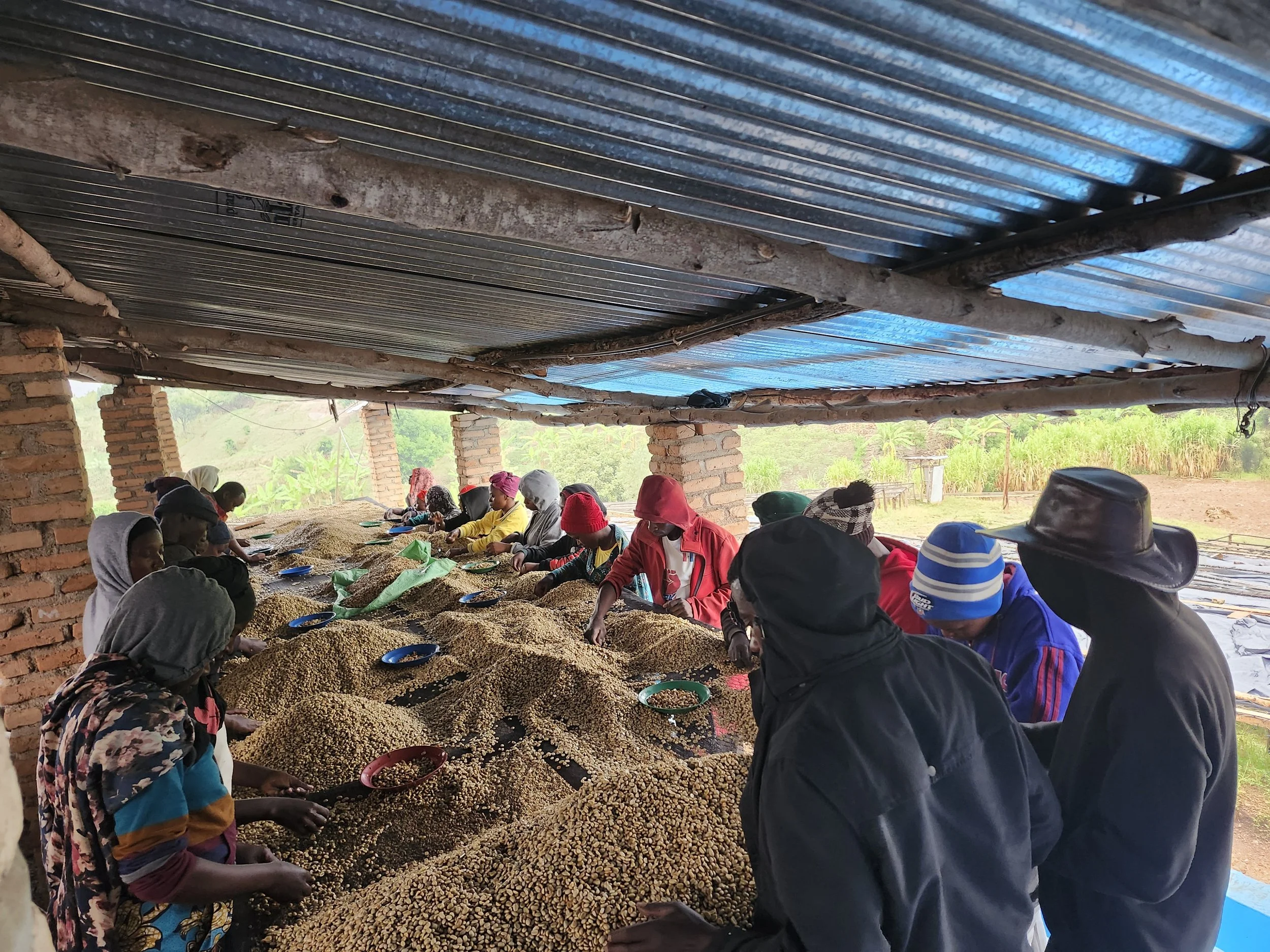
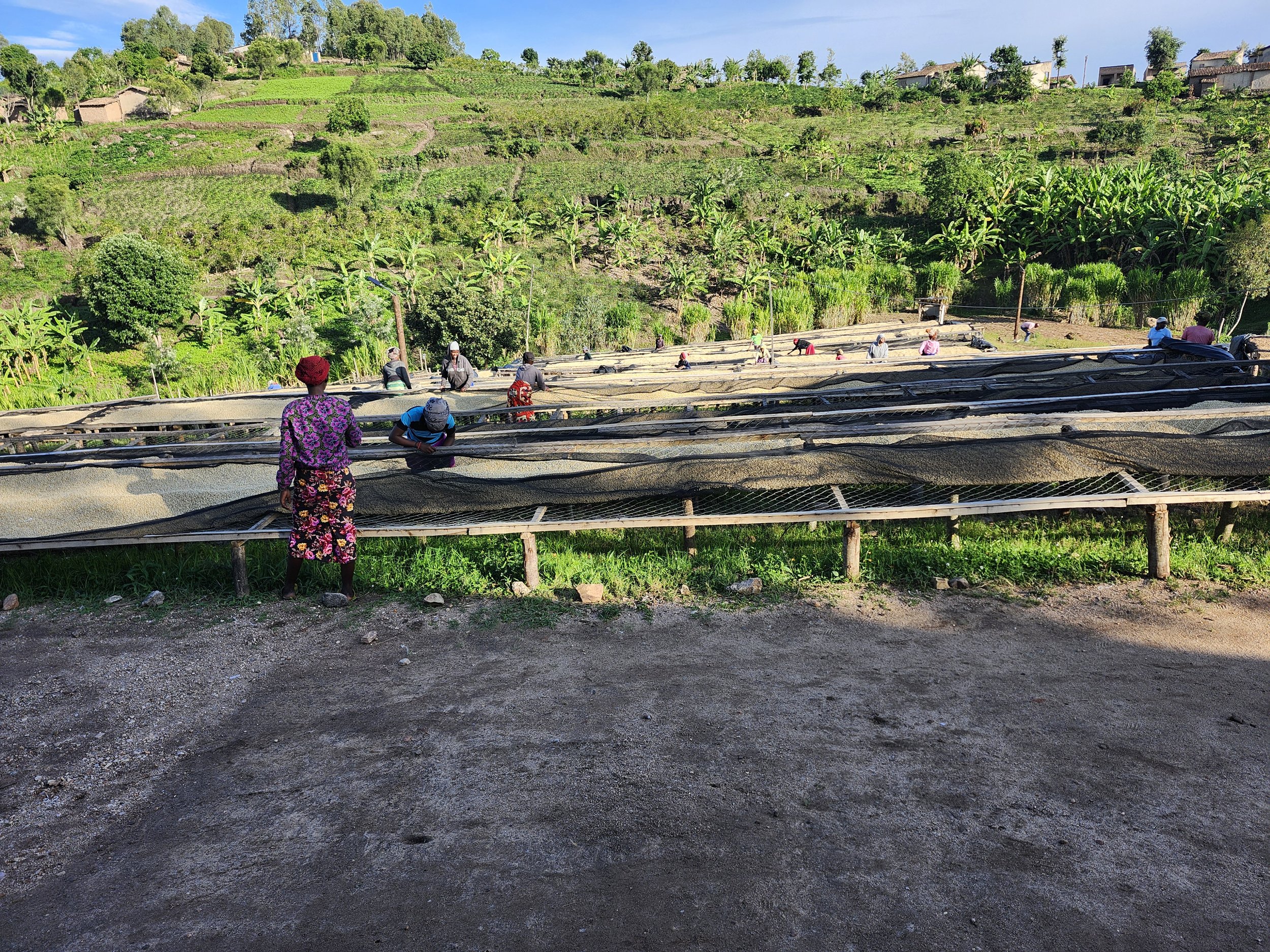
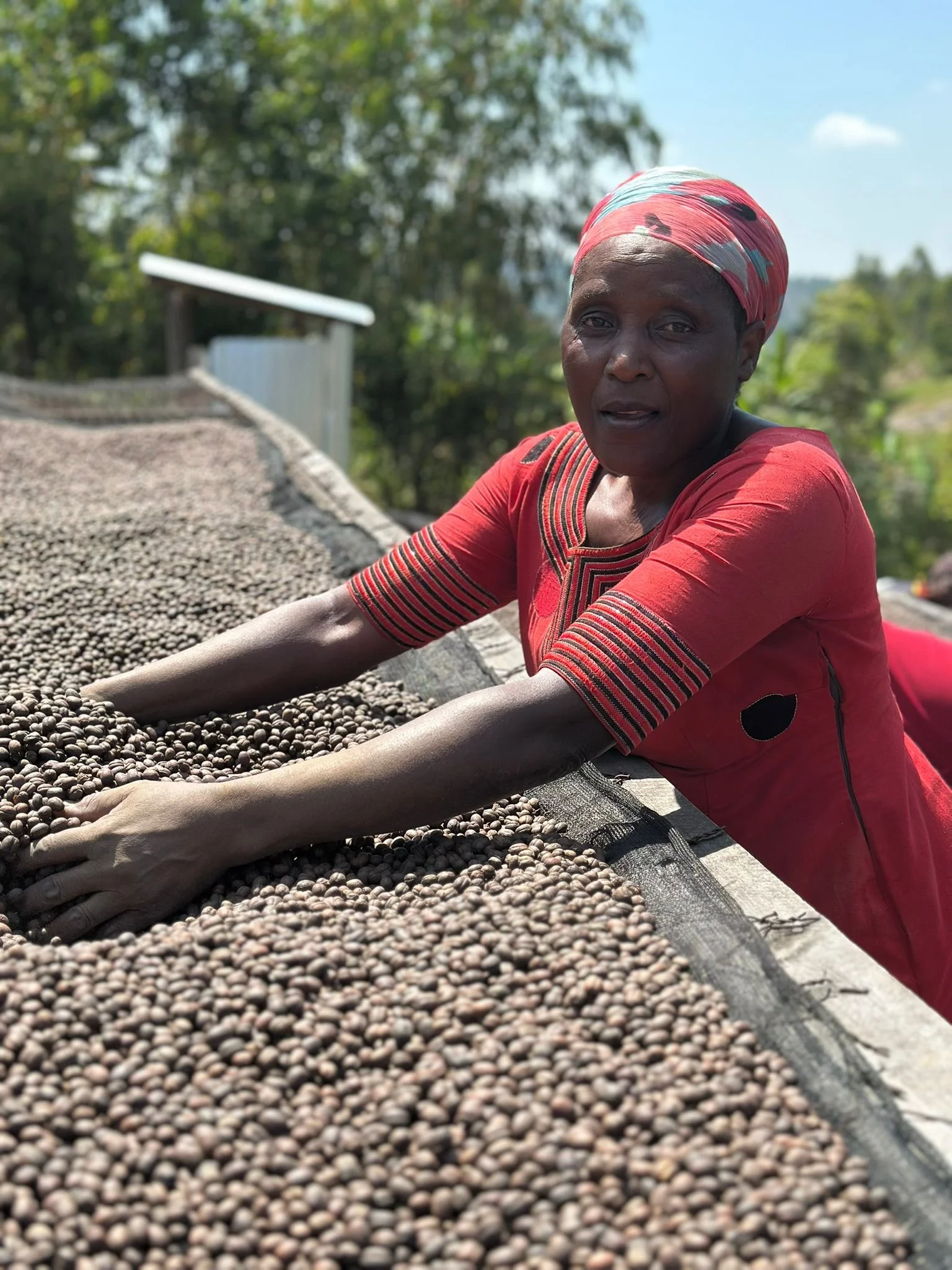
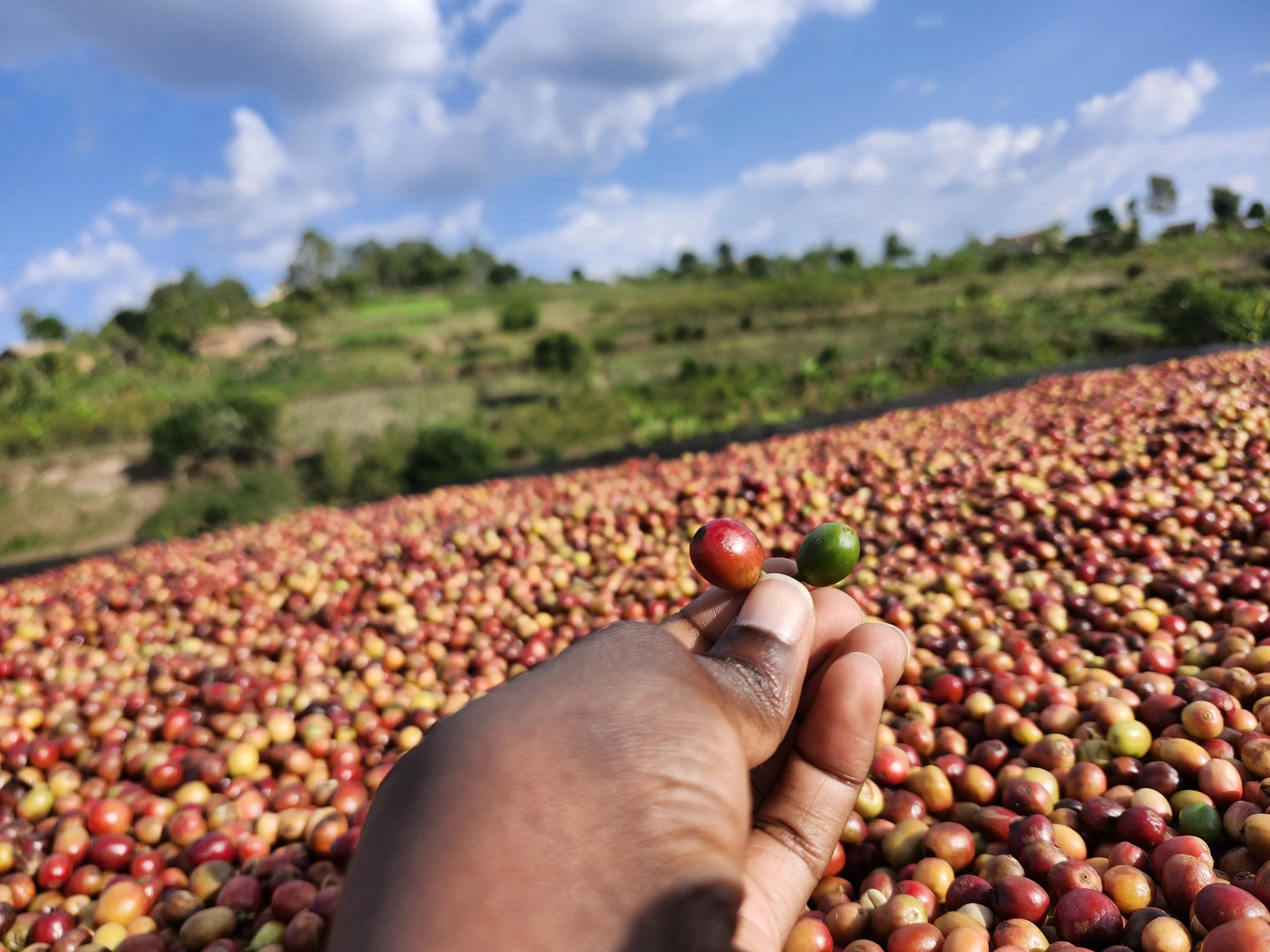
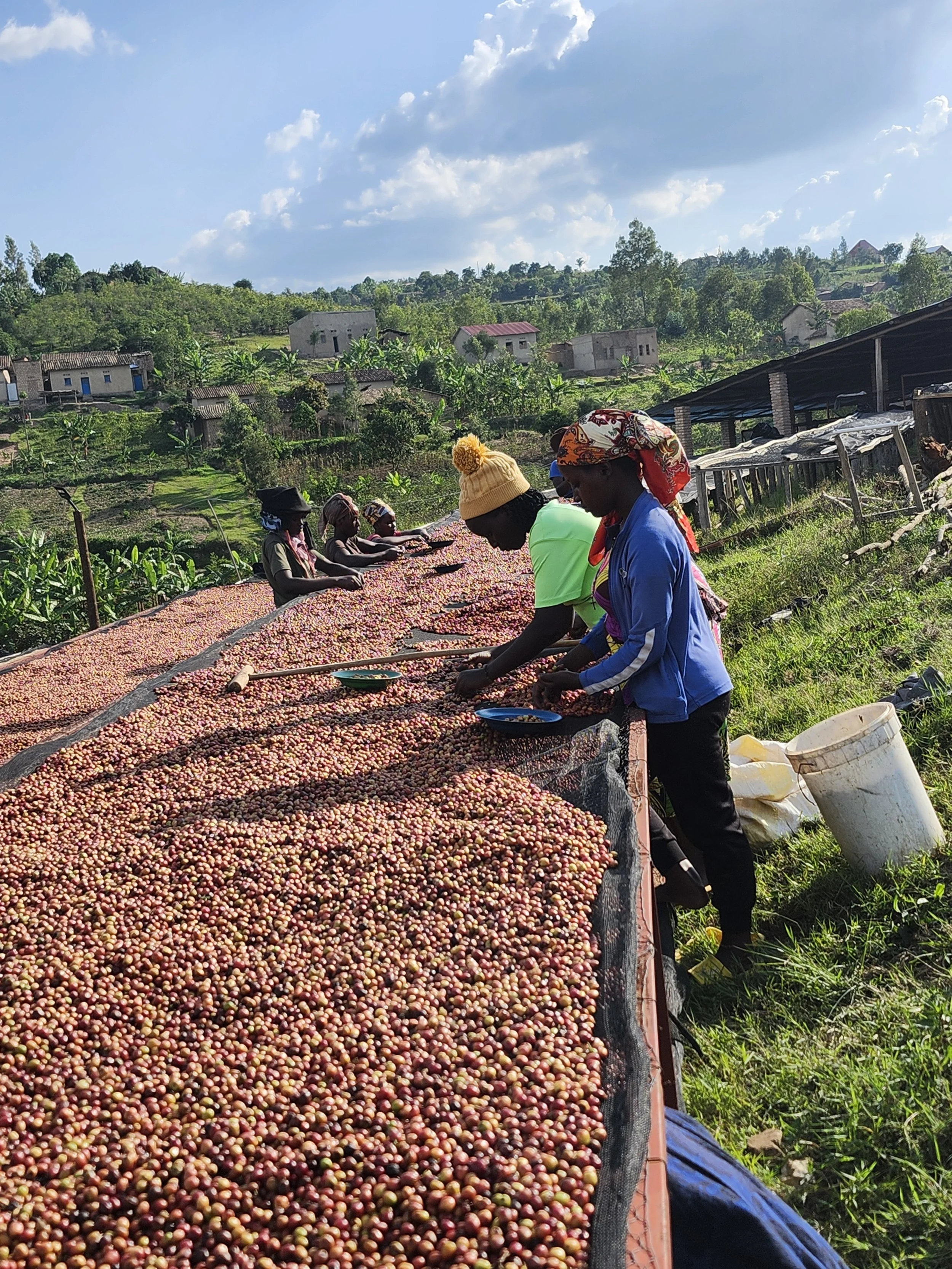
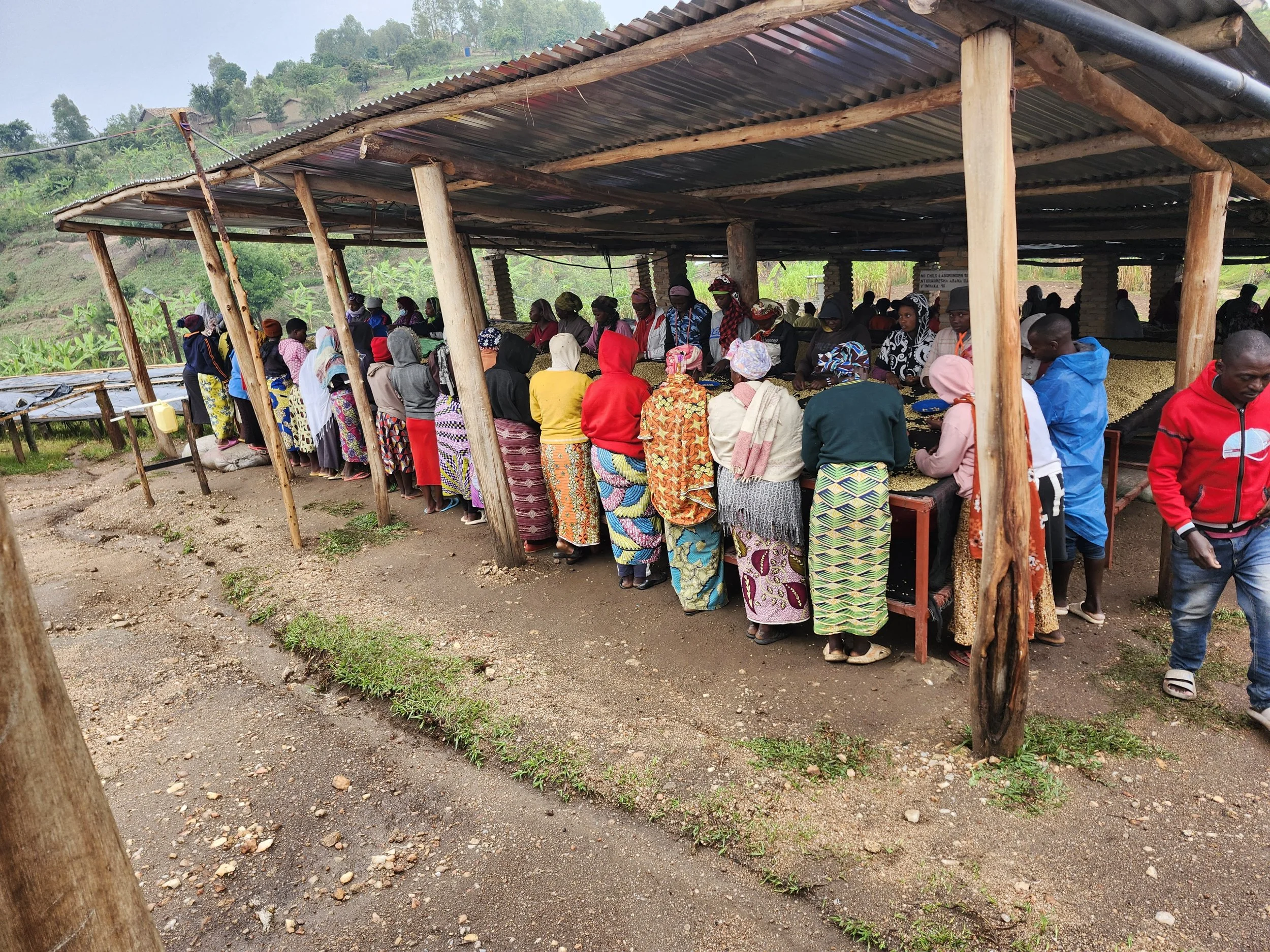
This is our 2nd offering from Rwamatamu, a little heavier than Lot 2 which is brighter, but loads going on in the cup, popping with complexity.It’s interesting brewing them side by side as the only difference is this Lot is Peaberry. Processed at Rwamatamu’s Mbare washing station, situated in Muhanga, Southern Province. Once it arrives, the cherries are sorted by hand before being pulped and left to ferment in water for 12-48 hours. During this time, the mucilage of the cherry is broken down, and when fermentation is finished, the coffee is washed clean so that it can be spread out to dry on raised beds for 21 or 22 days depending on the weather. It then gets taken to the milling facilities in Kigali, where the coffee is dehusked, polished, and graded.
Community is a huge focus for Rwamatamu, and as such the team have strong relationships with the farmers in Nymasheke and Mbare that they work with. Beyond that though, the team also run community groups in both of these locations.
In Nyamasheke is the Women’s Cooperative, where Rwamatamu have purchased land and provided seedlings and training for local women interested in coffee production. The women cultivate and sell coffee back to Rwamtamu, providing an alternative income source outside of seasonal employment, fostering long-term financial stability for the women in the valley.
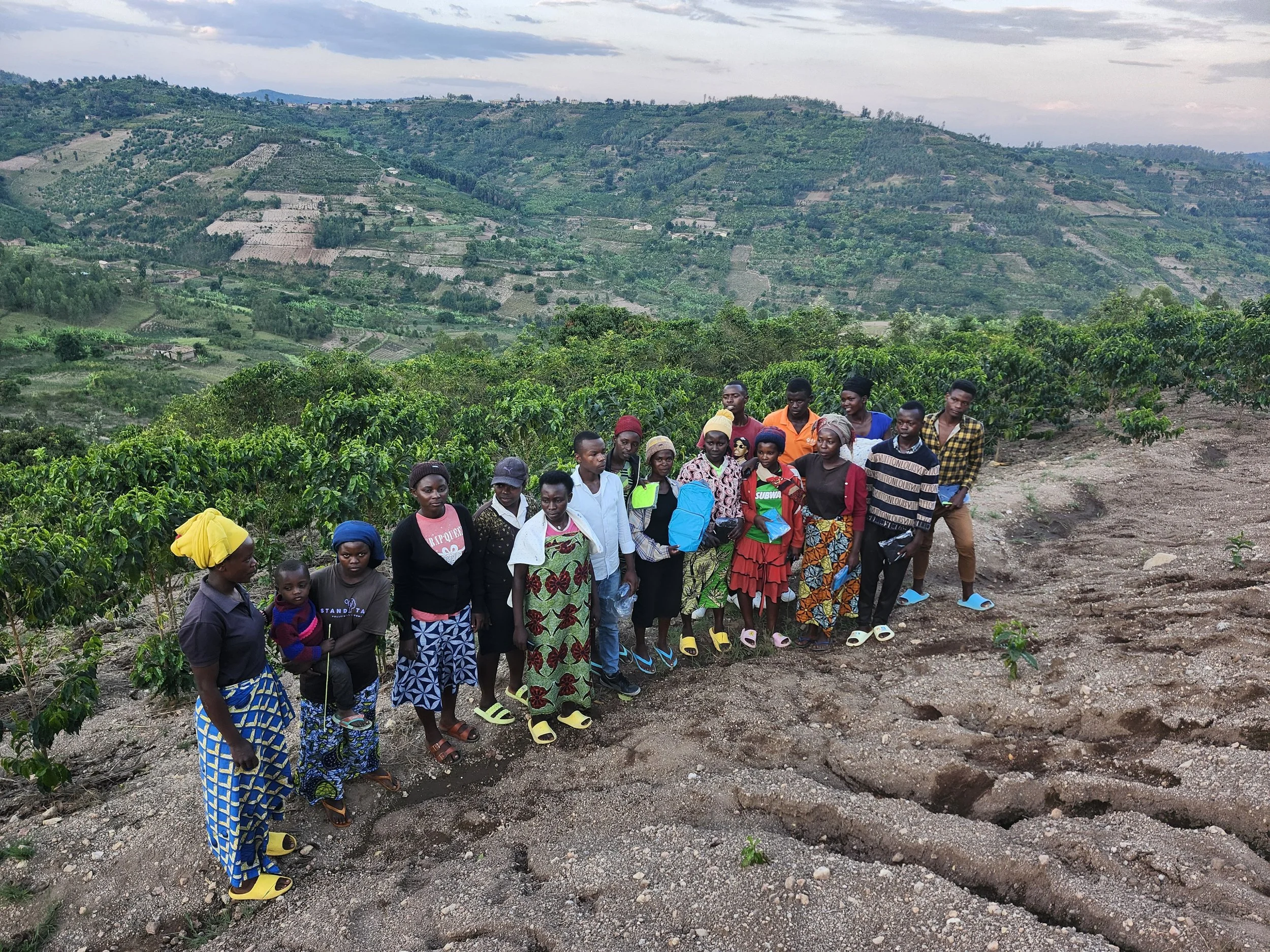
In Mbare, a similar project is being run as a Youth Association with locals age 18 - 35. This is to encourage the interest and skills of younger generations in coffee farming.
History
Rwamatamu Coffee was established in 2015 by Laetitia Mukantwaza and Gaston Rutaganda, who at the time already had 13 years of experience in Rwanda’s coffee sector. The company was founded not only as a business venture but also as a means to address poverty in rural areas through fair wages, consistent employment, and support for women in coffee farming. Initially based in Nyamasheke District along Lake Kivu, Rwamatamu has grown to include multiple locations and now operates two coffee washing stations in Western Rwanda: the original station in Nyamasheke and a newer one in Mbare.
Operations and Location
Rwamatamu Coffee’s primary operations are located at high elevations in Rwanda’s tropical highland climate, where the combination of volcanic soil, altitudes of 1,600–2,000 meters, and moderate temperatures provide ideal conditions for growing arabica coffee. The company’s harvest season typically runs from January to March, with the coffee beans fully washed using natural spring water, sun-dried, and handpicked to maintain quality standards.
In 2023, Rwamatamu expanded to a new coffee washing station in Mbare, approximately 65 miles from Nyamasheke. Unlike Nyamasheke, where coffee farming is well-established, Mbare’s community has historically focused on other crops, and coffee is often treated as secondary. Rwamatamu is working to shift this perspective by engaging local farmers and establishing quality-focused practices to improve coffee production and increase profitability for the farmers involved.
Social Impact Initiatives
Women’s Cooperative
Founded by Laetitia Mukantwaza, the Women’s Cooperative at Rwamatamu Coffee aims to provide a reliable income for the seasonal female workforce in the Nyamasheke region. Rwamatamu Coffee has dedicated a plot of land and provided coffee saplings specifically for the women of the cooperative. Through this initiative, the cooperative members receive hands-on training in planting, cultivation, and fertilization, empowering them to manage the coffee plot independently. The women cultivate the crop and, at harvest time, sell their coffee cherries back to Rwamatamu Coffee, creating a dependable source of income beyond seasonal employment.
Over time, the cooperative will use their income to purchase the land from Rwamatamu, which will eventually give the women full ownership of the plot. This arrangement provides an alternative income source outside of seasonal employment, fostering long-term financial stability for the women in the valley.
In 2024, a roasting partner gifted the cooperative with a herd of goats, a gesture that has further enhanced the sustainability of the operation. These goats are valuable not only as a source of milk but also for their manure, which can be used as an organic fertiliser to enrich the soil and improve coffee yield.
Youth Group
In response to community interest, Rwamatamu established the Rwamatamu Youth Group, a program aimed at providing young adults aged 18 - 35 with opportunities in coffee farming. In 2024 Rwamatamu purchased three hectares of land for the group and began supporting its members with training, seedlings, and equipment.
The Youth Group offers young members a chance to learn about coffee farming, with plans to eventually purchase the land and build self-sufficiency. This group currently involves 24 members and represents a growing interest in sustainable and community-driven coffee production.
Coffee Quality and Processing
Rwamatamu Coffee is dedicated to producing high-quality coffee. Their beans are fully washed using spring water and sun-dried, with careful handpicking to ensure only the best cherries are processed. The company’s commitment to quality extends to their processing methods, which have been refined through training and collaboration with industry experts.
In 2023, Rwamatamu invested in a cupping lab to enhance their quality control and improve their ability to assess the flavors of their coffee. This facility has allowed them to train their staff in cupping techniques and better understand the importance of processing methods in achieving high-quality coffee. Rwamatamu's focus on experimentation with new processing techniques, such as yeast fermentation, further underscores their dedication to excellence.
Collaboration and Innovation
Rwamatamu places a strong emphasis on collaboration and continuous improvement. In 2023, the company benefited from visits by several coffee professionals, who helped set up a new cupping lab, trained the team in cupping techniques, and explored new processing methods. These efforts have contributed to a significant improvement in both the quality and consistency of Rwamatamu's coffee.
Additionally, Rwamatamu has engaged in knowledge-sharing initiatives with other coffee producers, including collaborations with industry experts on experimental processing techniques, such as yeast fermentation, which aims to enhance the coffee’s natural flavor profile.
International Recognition and Achievements
In 2024, Rwamatamu Coffee gained international recognition at The Best of Rwanda coffee competition, where their washed lot secured third place out of 297 entries, with a cupping score of 90.71.
The following year in 2025, Rwamatamu one-upped themselves by coming second out of 300 with a score of 90.81 for their Mbare washed lot. Notably, this coffee was the only washed lot in the top 14 coffees, sitting 2.98 points above other lots in the washed category.
Process Washed
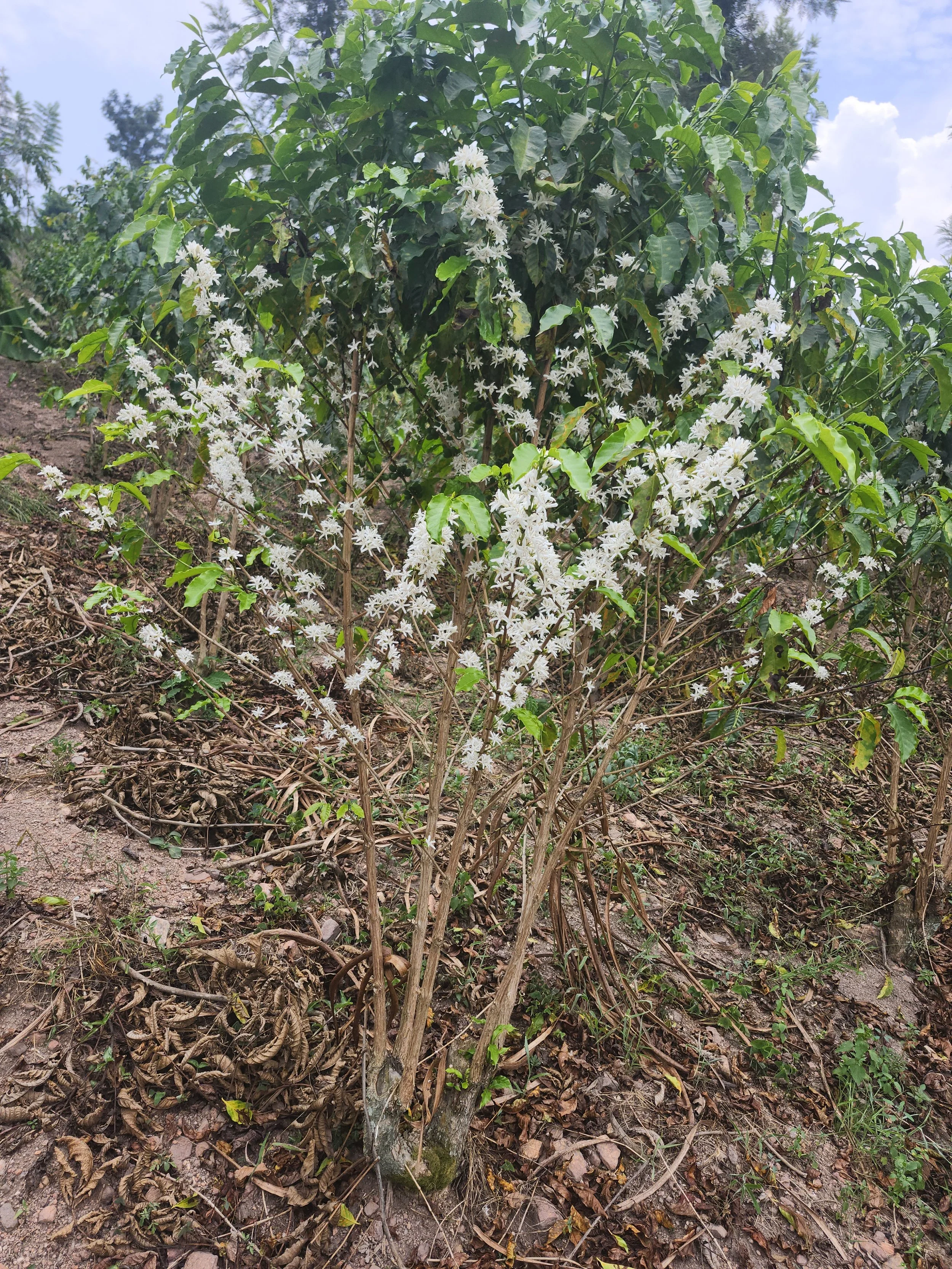
Varietals Red Bourbon
Altitude 1800 masl
Region Mbare
Harvest March 25 / June 25
SCA score 86