
the owl El Buho
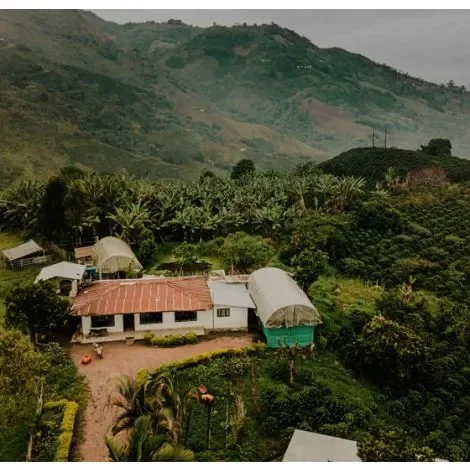
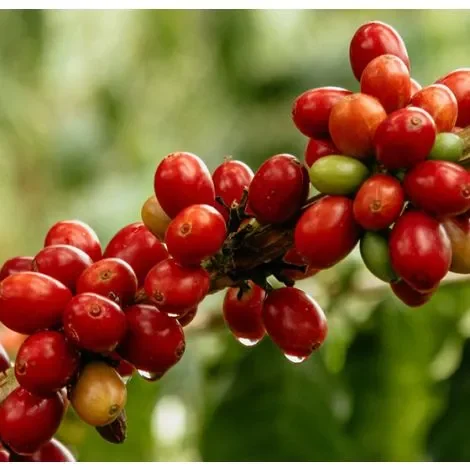
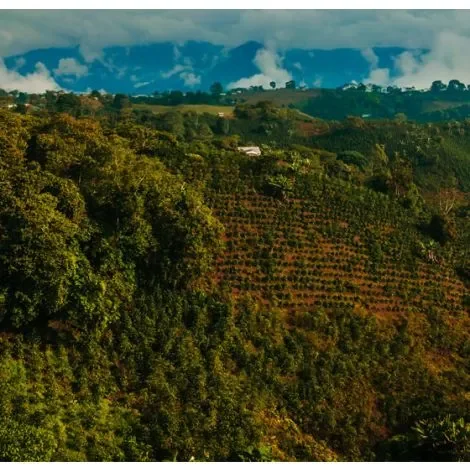
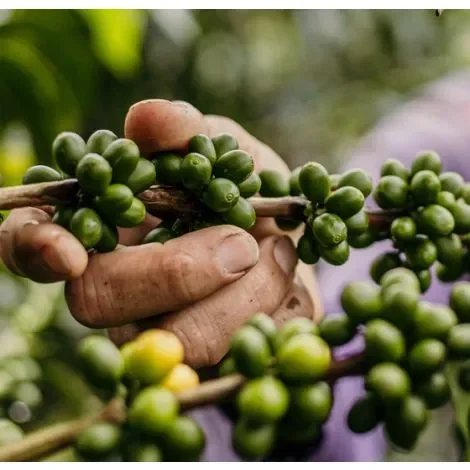
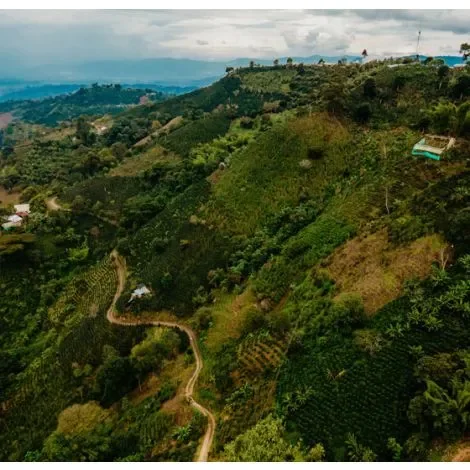
El Buho (The Owl) is a washed sugarcane, or Ethyl Acetate, decaf coffee sourced from farmers in the Huila and Tolima regions of Colombia
This is our 1st sugarcane, got some samples, roasted, then cupped it, Fyn and I both liked it, the coffee used is clearly beautiful. Resulting in a balanced rounded really good decaf.
Origin | Colombia
Subregion | Huila and Tolima
Harvest | Season2025/26
Processing | Washed
Plant Species | Arabica
Variety | Castillo, Caturra, Colombia
Coffee Grade | COL CA WA EXCO EP10
Screen Size | 15 Up
Bag Weight | 60 KG BAG
Bag Types | Grain Pro / Ecotact
What is sugarcane decaffeination?
Sugarcane decaffeination - also called the ethyl acetate natural process or EA sugarcane process - is a decaffeination method that uses ethyl acetate derived from sugarcane fermentation as the solvent. Because the ethyl acetate comes from fermenting sugarcane molasses rather than being synthesised from petrochemicals, it's marketed as a more natural process.
The method is most closely associated with Colombia, where both sugarcane and high-quality Arabica coffee are produced domestically. Green beans are steamed to open their pores, then soaked in the sugarcane-derived ethyl acetate which bonds selectively with caffeine. After the caffeine is removed, the beans are steamed again to eliminate residual solvent before drying.
The practical result is a decaf that - when well executed - retains more of the coffee's original character than many other processes. Residual ethyl acetate from the sugarcane can contribute a faint sweetness or fruity note.
History of Coffee in Colombia
As with many coffee origins, it is believed that coffee was first brought to Colombia by priests, arriving, perhaps, within a decade or two after coffee first came to the Americas via the Caribbean in the first half of the 17th century. It was likely a garden crop grown for local consumption and barter for decades. Unlike other coffee regions, we have the story of a priest named Francisco Romero, who could be called the father of commercial coffee cultivation in Colombia. The folkloric tale goes that in the early 1800’s, Father Francisco, hearing confessions in the north eastern town of Salazar de la Palmas, assigned planting coffee to his parishioners as penance for their sins. The Archbishop of Colombia heard about this and ordered all priests to adopt the practice. Commercial production of coffee expanded quickly, moving into regions where the growing conditions were ideal.